







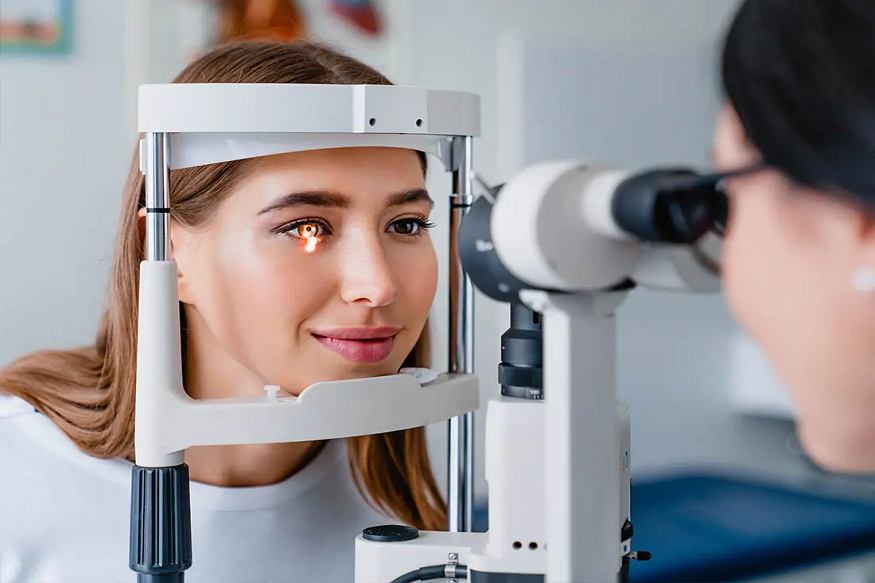
In today’s digital-first workplace, maintaining healthy vision has become more important than ever before. Many employees spend the majority of their workday in front of computers, tablets, smartphones, and other digital devices. While technology has significantly improved productivity and communication, the increase in screen time has also contributed to a growing number of vision-related concerns. Eye strain, blurred vision, headaches, dry eyes, and difficulty focusing are becoming increasingly common among workers across a wide range of industries. As a result, employers should recognize the value of supporting their workforce through comprehensive eye insurance plans.
Reasons Contemporary Employers Should Offer Eye Insurance Plans
The impact of poor vision extends far beyond individual discomfort. Vision problems can directly affect workplace performance, concentration, and efficiency. Employees who struggle to see clearly or who experience frequent eye fatigue may find it more difficult to complete tasks accurately and maintain productivity throughout the day. Over time, these challenges can lead to increased absenteeism, reduced engagement, and lower overall job performance. For businesses, the financial consequences can be significant, as vision-related issues contribute to both direct healthcare expenses and indirect costs associated with lost productivity.
Read More: Steven Rindner Sheds Light on Many Reasons Why People Should Try Out Trail Running
Employer-sponsored eye insurance plans provide an effective solution to these challenges by encouraging employees to take a proactive approach to eye care. One of the most valuable aspects of vision insurance is access to regular eye examinations. Routine eye exams help identify vision changes before they become serious problems, allowing employees to receive corrective lenses or treatment when needed. By addressing vision concerns early, organizations can help their workforce remain productive, comfortable, and focused.
The benefits of regular eye exams extend beyond improving eyesight. Eye health professionals are often able to detect early warning signs of various medical conditions during comprehensive examinations. Diseases like diabetes, hypertension, high cholesterol, and even certain forms of cancer can sometimes be identified through changes observed in the eyes. Early detection can lead to timely medical intervention, improving health outcomes and potentially reducing long-term healthcare costs. In this way, vision benefits contribute not only to eye health but also to the overall well-being of employees.
Providing eye or vision insurance also demonstrates an employer’s commitment to employee wellness. Workers increasingly evaluate potential employers based on the quality of their benefits packages, and vision coverage has become an important component of a comprehensive compensation strategy. In a competitive labor market, organizations that offer valuable and well-rounded benefits are often more successful in attracting qualified candidates. Prospective employees view vision insurance as a sign that an employer cares about their long-term health and quality of life.
Read More: Hiring Mistakes Are Expensive: How HR Can Curb the Bottom Line- Charles Spinelli
Employee retention is another important advantage of offering eye insurance plans. Employees who feel supported by their employers are more likely to remain loyal to the organization. Replacing experienced workers can be costly due to recruitment expenses, onboarding efforts, and lost productivity during transitions. By investing in benefits that employees genuinely value, companies can strengthen workforce stability, improve morale, and reduce turnover rates. These long-term advantages often outweigh the relatively modest cost of providing eye insurance coverage.












+ There are no comments
Add yours